How to Organize a Massive Local Music Library (When Folders Aren't Enough)
If you have been collecting digital music for years, you probably started the same way everyone else did: by creating folders. At first, an "Artist > Album" folder structure works fine. But as your collection grows to tens of thousands - or even hundreds of thousands - of FLAC and MP3 files, the folder method completely falls apart.
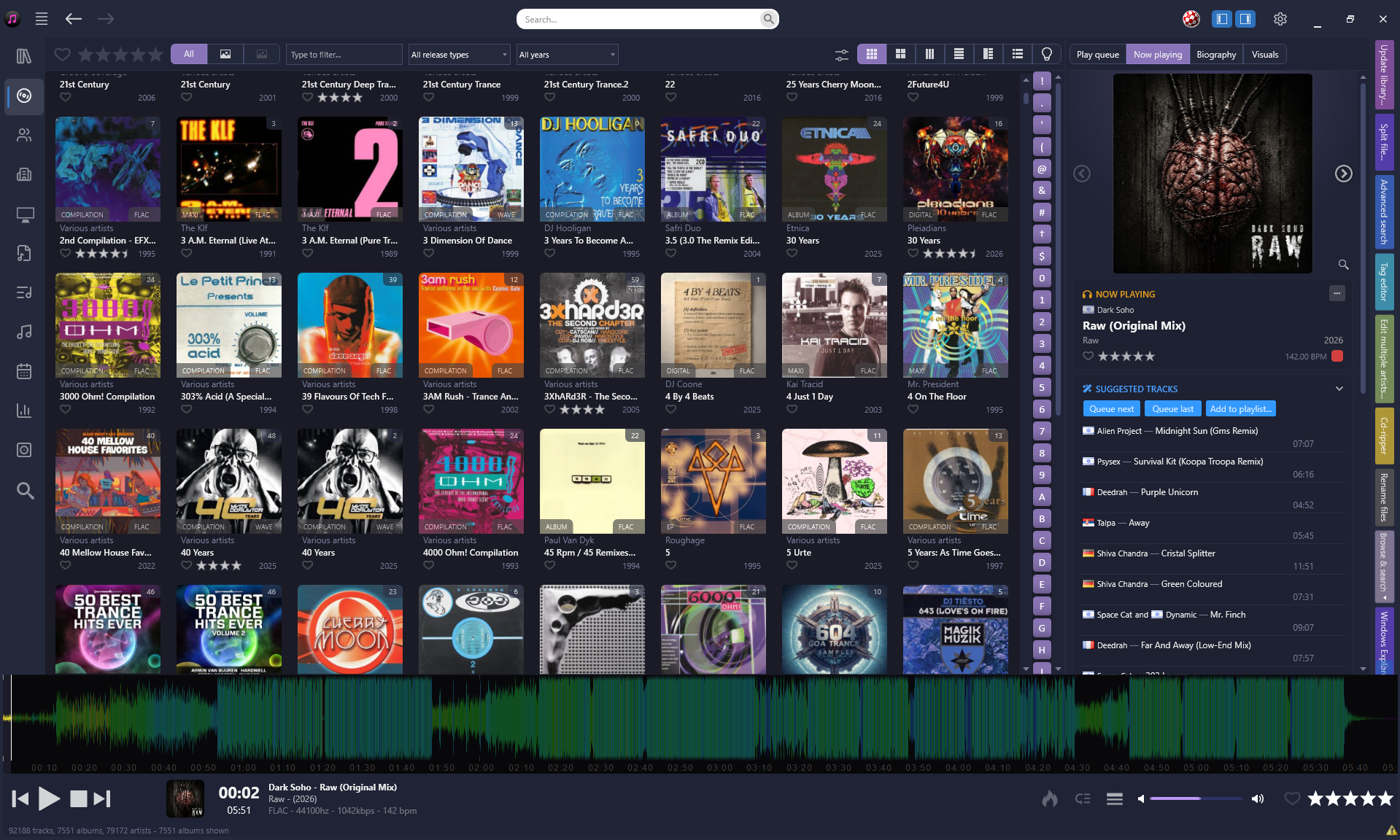
Finding a specific remix, browsing by release year, or managing compilations becomes a nightmare. If you want to take back control of a massive local music collection, you need to stop relying on Windows Explorer and start using a database-driven music manager.
Here is how you transition from a chaotic file system to a perfectly organized library.
1. Stop Using Folders as Your Main Organization Tool
The biggest limitation of a folder is that a file can only exist in one place. If you have a track featuring two major artists, which folder does it go in? If you want to listen to all your "Deep House" tracks from 1997, how do you find them if they are scattered across 400 different folders?
To organize a massive library, you need a system that reads the metadata (tags) of your files and indexes them in a robust database. This allows you to slice and filter your collection in seconds, regardless of where the actual files are stored on your hard drives.
2. Index Your Collection with Helium
To solve this, we built Helium, a full-featured music library manager designed specifically for large collections. The first step to getting organized is letting Helium scan your existing folders.
During this initial scan, Helium reads every single file's tags and builds a lightning-fast catalog of your music. You don't have to move or restructure your files manually - Helium does the heavy lifting of making sense of the chaos.
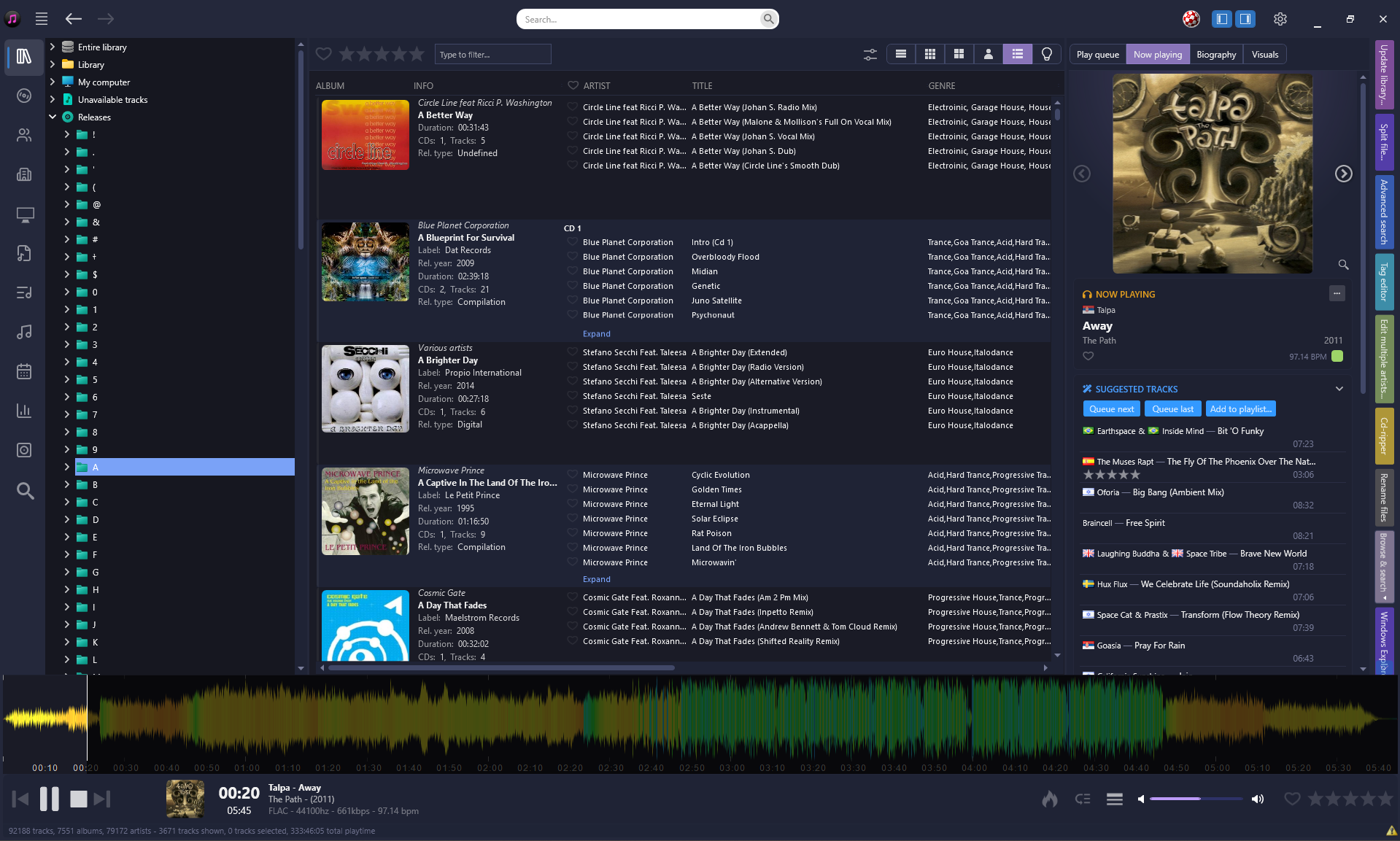
3. Explore Your Music Through Dedicated Views
Once your files are indexed, you will never need to dig through folders again. Helium presents your music through a set of dedicated views, each showing your library from a different angle.
Want to browse by Label? Release Year? Genre? Or just look at high-resolution album art? You can switch views instantly. If you ever add new files or modify them with an external tool, Helium can easily scan your folders to keep your library perfectly up-to-date.
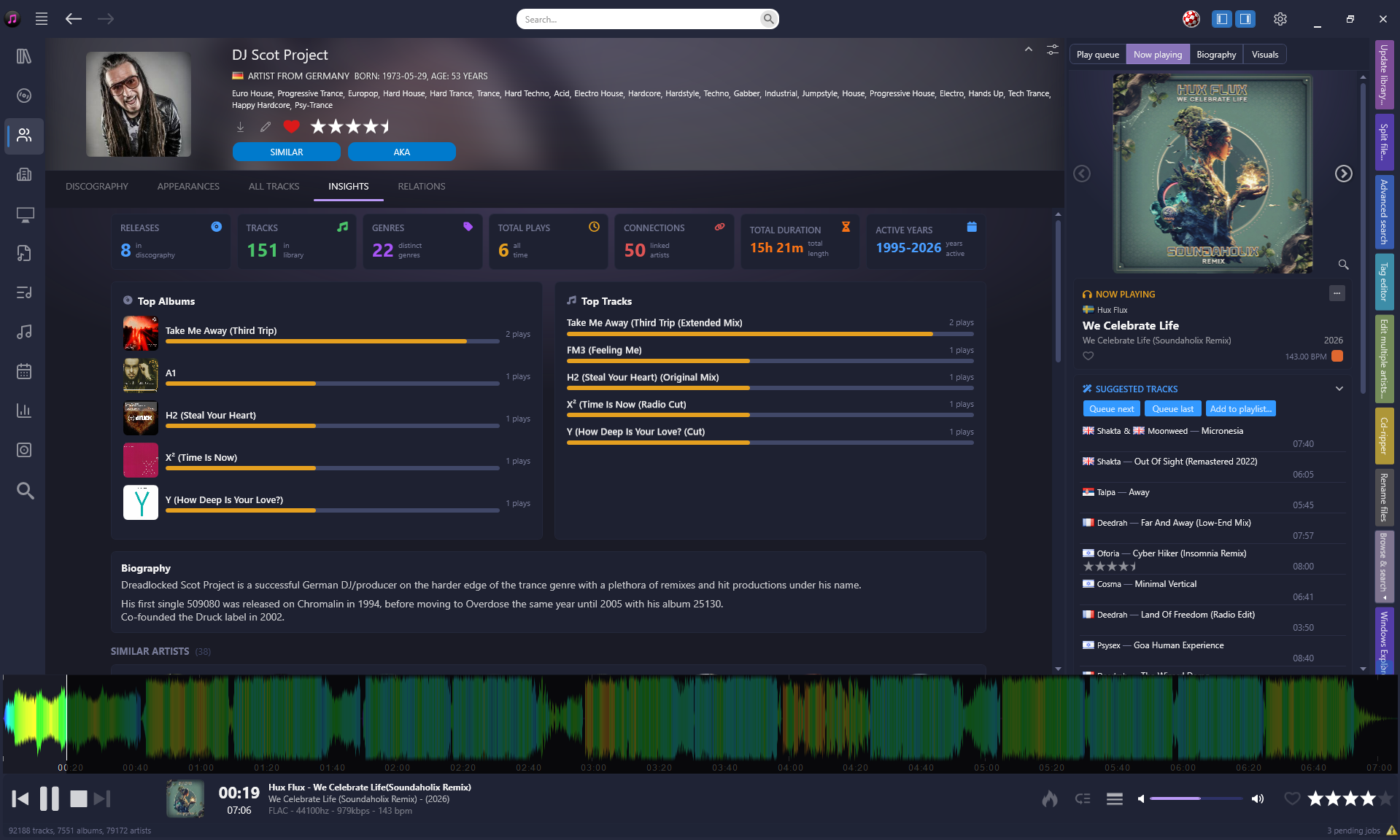
4. Scale Up as Your Library Grows
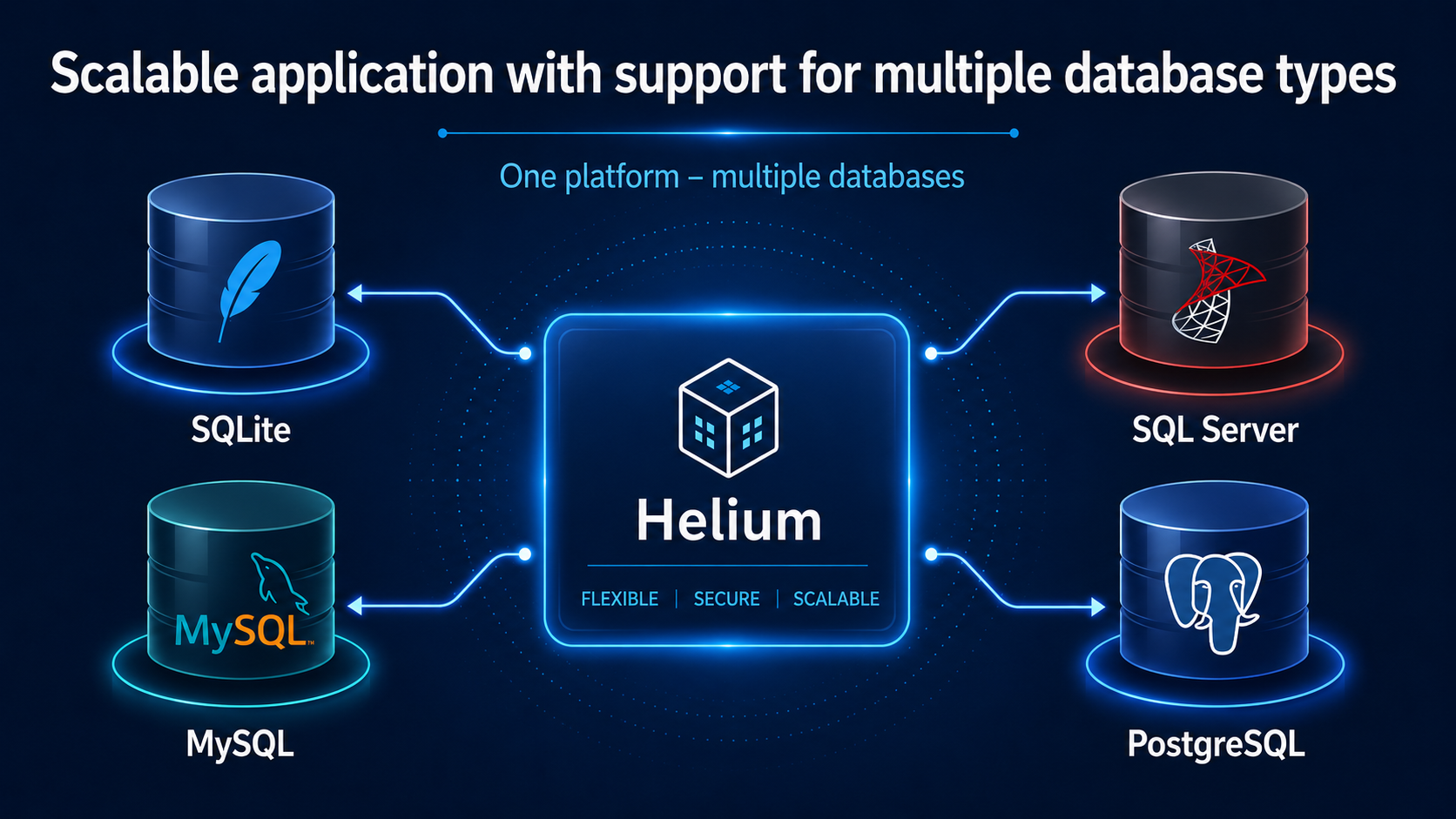
Most standard music players crash or become incredibly sluggish when you load 100,000+ tracks into them. Helium is built differently. The free version uses a fast SQLite database that handles most collections with ease.
However, if you are an extreme digital hoarder, DJ, or audiophile with an exceptionally large collection, Helium Premium allows you to migrate your library to SQL Server, MySQL, or PostgreSQL. This offers ultimate scaling and even supports multi-user setups.
Ready to get your music in order?
Stop fighting with folders and let a proper database do the work.